
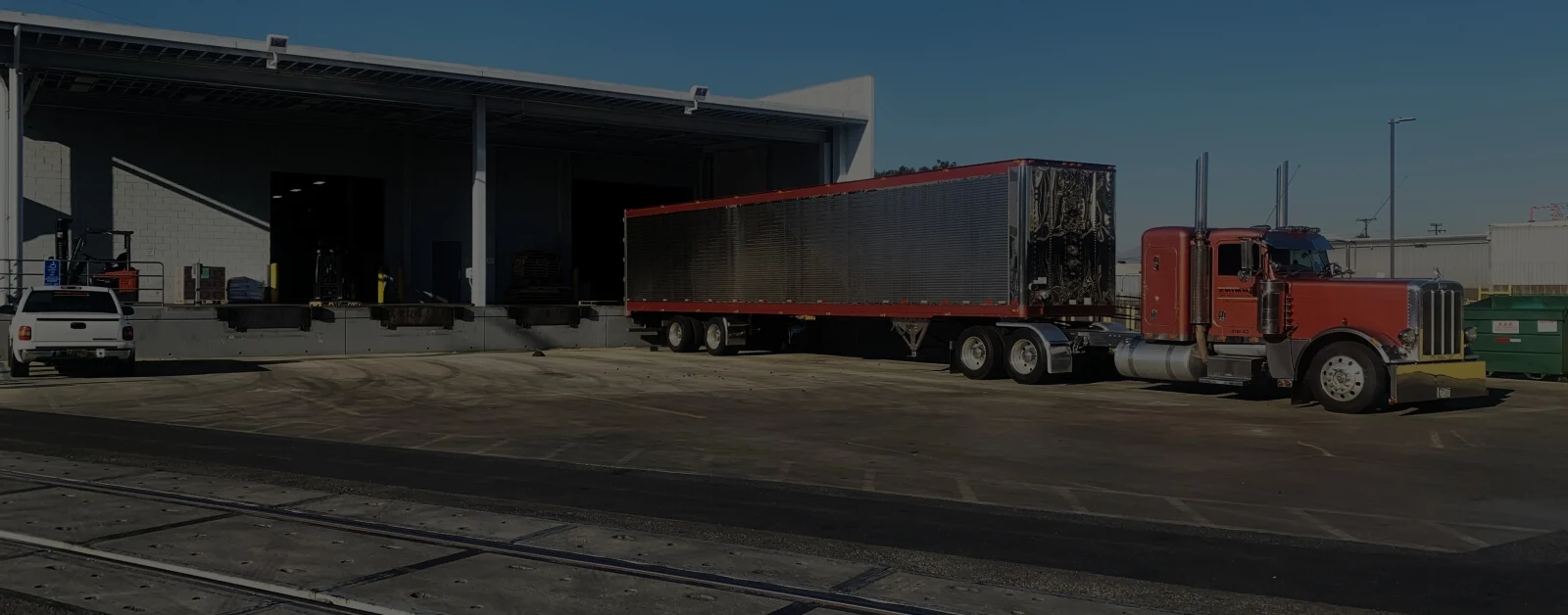
From Port to Warehouse: Managing LCL Logistics, Freight and Warehousing

Freight and warehousing logistics is hard. That’s why so many experts specialize in it. Yet, many businesses must face this challenge in order to survive.
If you want to tackle logistics, you need options. It’s too much to learn everything at once, but a single lesson today can give you a new opportunity to help you tackle logistics. That lesson revolves around less-than-container-load shipping.
Understanding LCL Logistics
Less-than-container-load (LCL) shipping offers a different way to ship goods, saving money when your order volume is a little lower.
The idea is simple: ship a load that cannot fill an entire container. The logistics company will pair your goods with goods from other businesses that also cannot fill an entire container. Combined, you and other companies can fill a container with your shipment, sharing costs between all participants.
In practice, this freight and warehousing strategy involves a multi-stage process. In the first step, your goods go to a consolidation warehouse. Let’s assume you are importing goods from overseas. Your specific purchases go to the consolidation warehouse. The logistics operators pair your goods with others to fill a complete shipping container.
From there, your container heads to its destination port. The container then goes to a deconsolidation port, and the goods are separated accordingly. From there, items travel via smaller, cost-effective shipping methods (truck, courier, etc.) to their final destinations.
This method generates cost advantages for lower-volume shipping. Filling each container optimizes costs, and you benefit from those savings.
That said, each step added in a logistics chain creates new risks. More opportunities for delays, damage, and other unpredictable outcomes complicate the process. To take full advantage of LCL logistics, you need a sound freight and warehousing strategy.
The Port Process
Part of your strategy focuses on navigating port procedures. This covers documentation, permits, and the like. When your paperwork is in order, things move slowly. If anything is out of alignment, you can expect delays and possible fees.
Working with experienced experts for each port can help you clearly understand various fees and expenses at that port. That adds precision to your budgeting, and it helps you build an LCL strategy that navigates some of the biggest pitfalls.
Freight Management
Freight management largely falls on the shoulders of the carriers. Getting this right comes down to picking the right carrier for your shipments.
Freight costs come from three aspects: volume, weight, and distance. Some materials can add additional costs to this when they impact compliance. For instance, importing agricultural products comes with extra inspections and rules, often adding to freight costs. Other specialty costs might stem from tariffs, hazardous materials, or regional product bans.
For the most part, freight management is a matter of optimizing the three aspects, and that’s where LCL logistics can really shine. Adding more flexibility in volume and weight can help you fine-tune your shipping costs.
Add to that a few more strategies, and you can optimize shipping costs thoroughly. Consider negotiating terms like fuel surcharges or volume discounts. Look into inventory management systems that give you real-time tracking and tons of data to help you look for areas of opportunity.
Increase automation, and gain even more value from your logistics.
Warehousing Essentials
At a minimum, your LCL goods will pass through two warehouses (consolidation and deconsolidation). Each stop along your shipping route only adds to the number.
Clearly, freight and warehousing strategies will heavily impact your shopping outcomes.
One of your strongest strategies is to work with warehouse providers near main distribution points. For example, warehouses near the ports of Los Angeles or Long Beach offer advantages for any shipments coming through the West Coast of the United States.
You also want warehousing companies that excel in terms of speed and accuracy. You can utilize warehouse management software (WMS) to see which warehousing providers do the best for you.
Optimizing the Supply Chain

Your supply chain is fully optimized when the different companies involved work together. This covers logistics, freight management, and warehousing, along with other companies you might consider. Documentation and financing are other common services involved with shipping.
You can work toward this optimization by using transportation cost-saving strategies. They employ automation for routine processes. They also search for discounts, such as bulk shipping. Add in some rate negotiation, and you can control costs while bringing the different elements of your shipping together.
Learn More at Cummins Logistics
If you want your business to succeed, you need effective logistics management. Using LCL, Cummins Logistics can help you with freight and warehousing, ports, and the rest. Our streamlined processes help you get the most from modern technology while lowering costs and improving shipping times.
Our experts handle complex logistics and warehousing every day. We can help you too. Talk to an expert today.

Devin Cummins, Vice President of Cummins Logistics, is a second-generation logistics and transportation expert. Devin earned his commercial license at 18 and is a graduate of Universal Technical Institute. He spent years building award-winning show trucks and helped shape the West Coast hot rod semi truck style. Through the family-owned business, Devin is committed to caring for both employees and customers like family. Outside of work, Devin enjoys tournament bass fishing, customizing cars and trucks, and perfecting his BBQ skills, even bottling his own award-winning custom BBQ spice blends.