
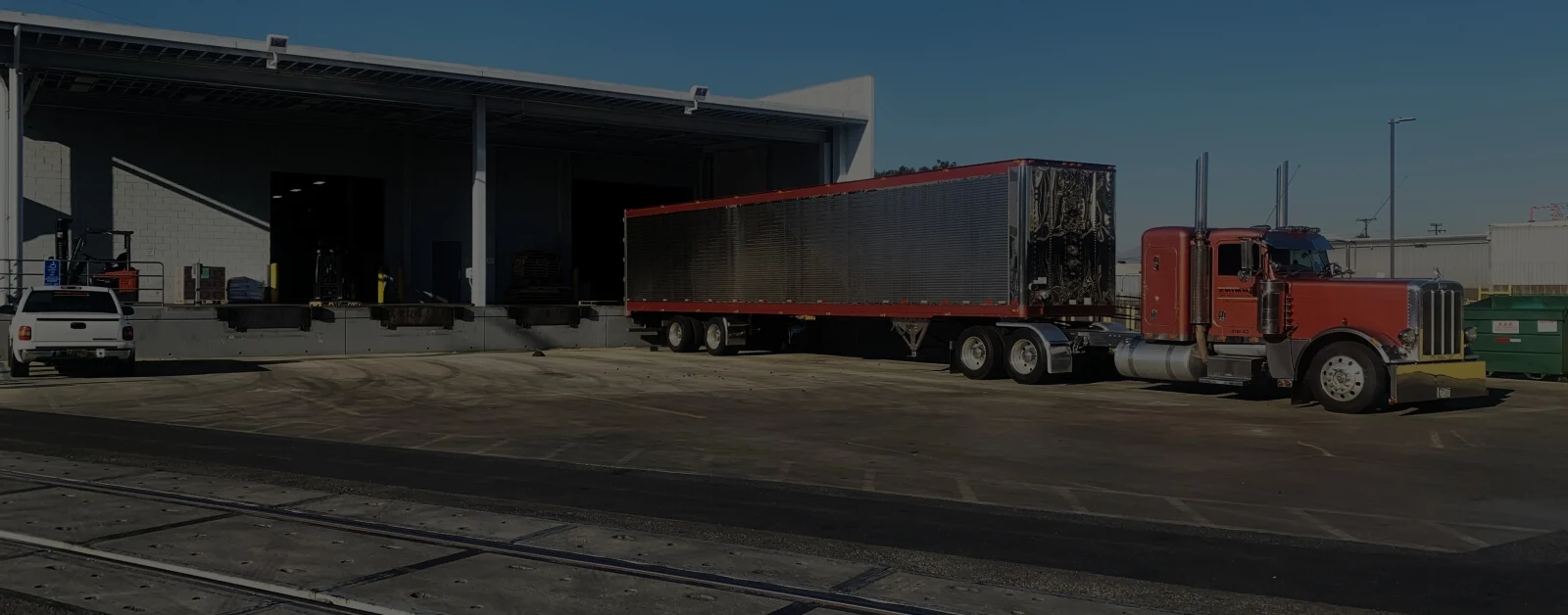
Streamlining Your Supply Chain with Cross-Dock Logistics
- Cross-docking is used to speed up the supply chain process
- Inbound products are transferred immediately onto outboard transportation
- Cross-docking reduces warehousing and labor costs
- The implementation can be tricky, but the benefits far outweigh any of the challenges
Increasing the efficiency of your supply chain not only increases customer satisfaction through timely delivery, but can also help keep operational costs down. One tool businesses can utilize to accomplish this goal is cross-docking. It’s a logistics practice which can reduce handling costs, minimize warehouse usage, and speed up the shipment process all at the same time.
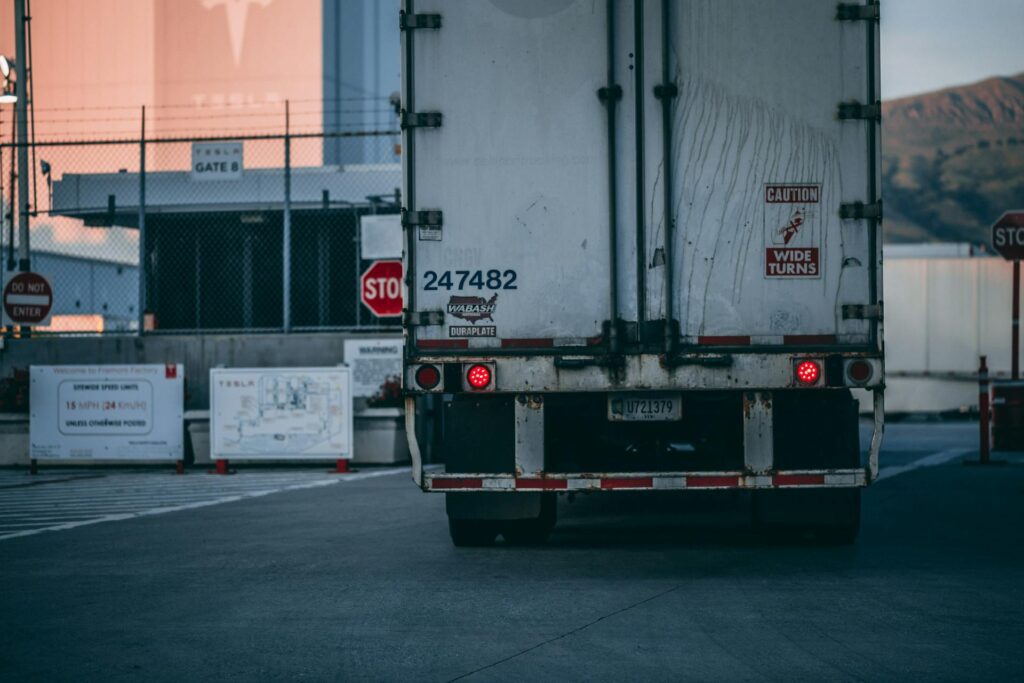
The Basics of Cross-Dock Logistics
Cross-docking in supply chain management is the practice of taking your inbound products and immediately moving them onto outbound transportation to be shipped directly to the consumer. This eliminates the need for storing products in a warehouse, and the labor costs which are associated with that, creating a more streamlined approach in getting goods from supplier to customer.
This process typically involves sorting incoming goods according to their destination, and then moving them directly onto an outbound truck. This reduces the traditional shipping process down to just a few hours, instead of days or weeks.
Key Benefits of Cross-Docking
In addition to the added benefit of speed, cross dock logistics offers several other key benefits. One major benefit is eliminating long-term storage usage in a warehouse. This reduces the cost associated with warehouse space needs, utility costs, and the labor costs that come with storing and retrieving goods from the warehouse.

The transportation efficiency that comes with adding cross-docking in your supply chain management procedures is another advantage. Cross dock logistics allows your products to spend less time in the supply chain. This gives your business the ability to be more responsive to current market trends.
With your products spending less time in storage, you can also worry less about theft and damage. Your goods will be moving through the system quickly, reducing your exposure to any potential loss.
Who Benefits Most
Cross dock logistics can benefit many industries, but certain industries will be more prone to reap the benefits that cross-docking provides. Any business that deals with food warehousing and shipments of consumer goods will notice immediate improvements. Businesses who have fast-moving goods which are subject to high-turnover will be able to keep the shelves stocked with their products more efficiently.
E-commerce companies are relying more and more on cross-docking in their supply chain management to keep up with the demand of fast shipping. Cross dock logistics reduces the associated cost-per-item by eliminating some of the expenses that come with storage and shipping. This translates into a better profit bottom line, while also providing a better experience for customers.
Any company which receives a finished product, that they in turn sell directly to a consumer, would notice the benefits cross-dock logistics provides.
Implementation
Implementing such logistics successfully requires careful planning. With the added benefit of speed, timely coordination between shipments needs to be maintained. This is where real-time delivery information systems intersect heavily with cross-docking in supply chain management. Supplier coordination is critical in the successful implementation of cross-dock logistics. If the inbound shipment is delayed for whatever reason, this can cause the outbound shipment to subsequently be delayed as well.
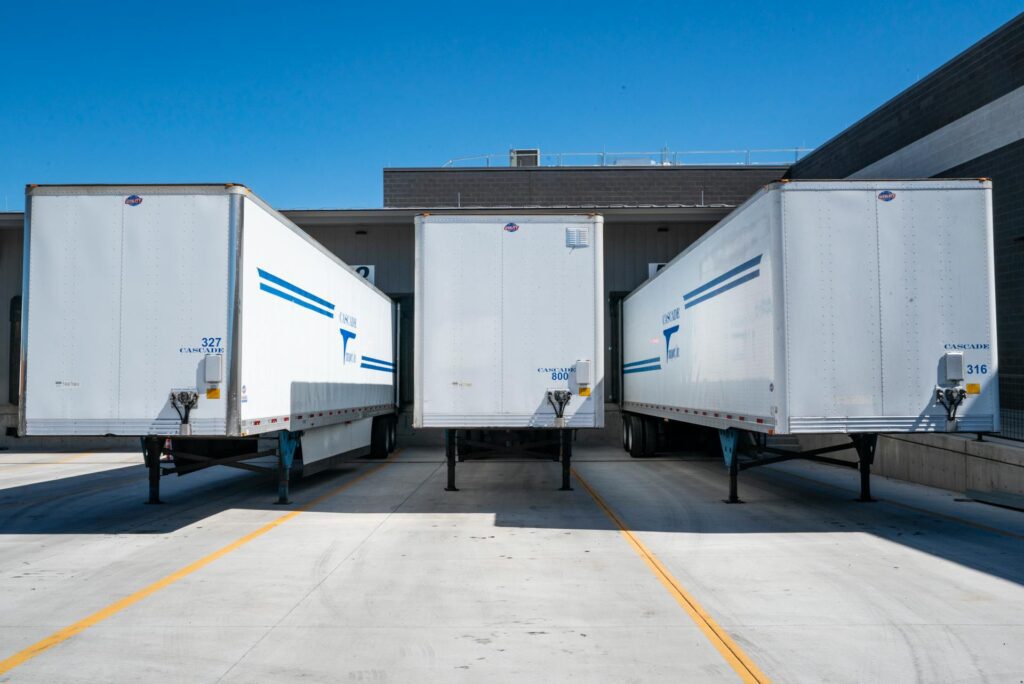
The location of your cross-docking facility also needs to be in a strategic location. They need to be easily accessible for your inbound shipments, while also being close to major transportation networks.
Quality control of your products also needs to be adapted for the cross-dock logistics process. Traditional warehousing allows for plenty of time for extensive quality checks during storage, but cross-docking requires quick inspection of the goods while they’re being transferred to the outbound shipment.

Final Thoughts
Despite any implementation challenges, the benefits outweigh any challenges. The usage of cross-docking in supply chain management is a powerful tool that can reduce holding costs, speeding up fulfillment, and gives an overall increase to shipping efficiency. In today’s business marketplace, you need every competitive advantage you can get.
Get in touch with our expert team at Cummins Logistics today, and see how we can help with all your shipping needs. We offer free quotes on all our services, and even let you tour our warehouse facilities to give you additional peace of mind.

Devin Cummins, Vice President of Cummins Logistics, is a second-generation logistics and transportation expert. Devin earned his commercial license at 18 and is a graduate of Universal Technical Institute. He spent years building award-winning show trucks and helped shape the West Coast hot rod semi truck style. Through the family-owned business, Devin is committed to caring for both employees and customers like family. Outside of work, Devin enjoys tournament bass fishing, customizing cars and trucks, and perfecting his BBQ skills, even bottling his own award-winning custom BBQ spice blends.