
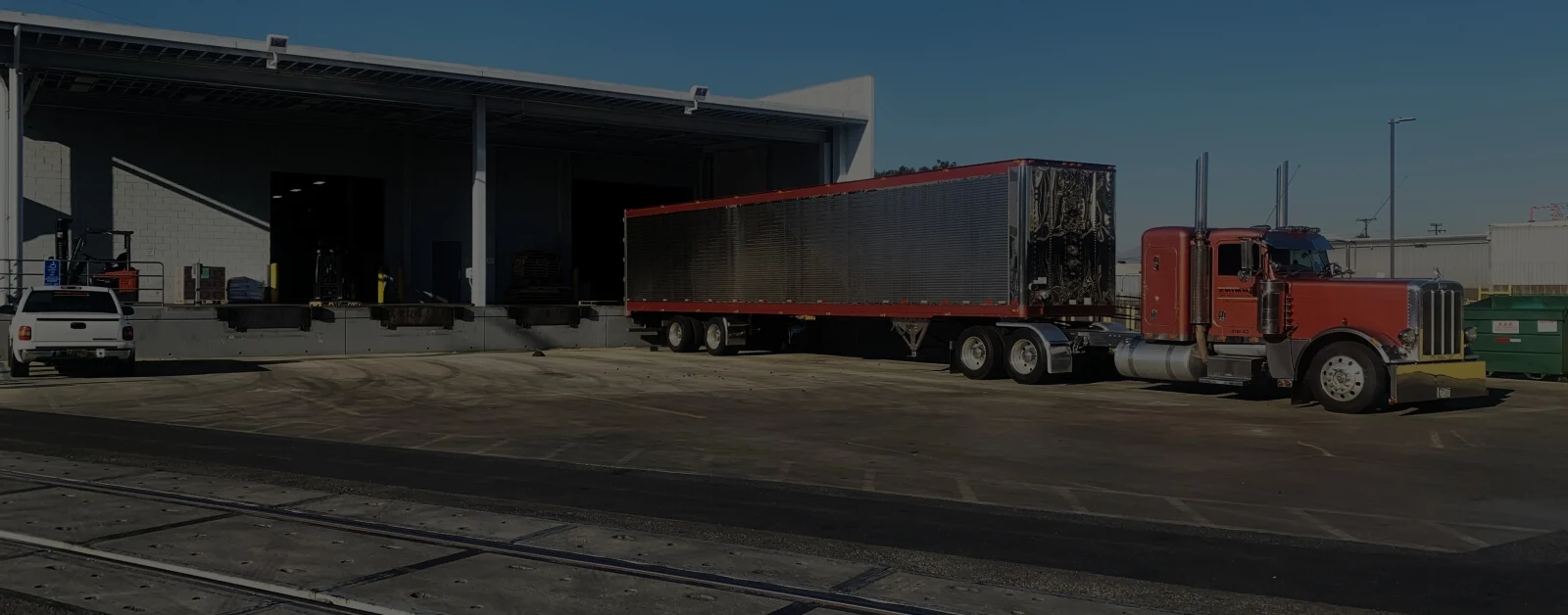
Customized Logistics Solutions from Los Angeles 3PL Warehouses

Two women warehouse employees speaking with one another as they walk down an aisle

Imagine walking through the aisles of a supermarket and finding only one type of every item. One type of cereal, one type of soup, and one type of chip. You’d probably feel underwhelmed. After all, all of us have our personal preferences. 

It’s no different with 3PL warehouse services.If your company is in search of a logistics and warehousing partner to help with inventory storage, you’d never want to settle for a provider that is unwilling to work with you to build a customized logistics solution that addresses that unique needs of your company. 

Everyone talks about customization, though. Few can actually deliver custom warehousing solutions. The next time you’re in the market for a logistics partner, don’t sign a contract unless they’re willing to work with you in the following areas.

1. Contract Length 

Well-run businesses grow. Some grow faster – in some cases, even faster than their founders anticipated. 

Top warehousing providers account for this. Rather than locking companies into long-term contracts, these providers develop customized logistics solutions with more manageable contract lengths. Some even offer month-by-month warehousing leases that allow clients to quickly adjust course as their needs change.

2. Transportation Method

Tractor trailer truck on a ride with a mountainscape in the background

Leaders of companies that sell physical goods must always have their supply chain top of mind. Items need to quickly move from one step in the supply chain to the next without interruption. Unfortunately, this type of just-in-time warehousing isn’t yet the standard.

3PL warehousing services need to be flexible and willing to adopt innovations in warehousing to reduce the amount of time it takes for their clients’ items to reach their markets. A customized logistics package could, for instance, satisfy the needs of a client whose merchandise is flying off the shelves by offering cross-docking, in which inbound trucks are unloaded at a warehouse facility and then immediately loaded into an outbound truck. 

Alternatively, supply chain warehousing providers could help their clients reach customers located a long distance away from the coast through transloading, in which items are transferred from a truck onto a train. It may sound simple, but not every warehousing vendor is willing or able to take that next step and provide tailored transportation options as a component of their warehousing solutions.

3. Industry-Specific Customization

Storage needs vary widely from one vertical to the next. 3PL solutions designed for a food and beverage company, for example, are a poor fit for eCommerce companies. 

Not every warehousing facility is equipped to meet the differing needs of companies across industries, however. Here are some vertical-specific customizations 3PL vendors must be able to offer: 

  • Food Warehousing and Beverage Warehousing facilities should be FDA-registered to reduce the number of steps in the supply chain. 
  • E-commerce Warehousing: Warehouse employees should thoroughly inspect deliveries upon arrival, and facilities should be managed using smart warehousing systems to prevent stockouts and overstocking.
  • Cosmetics Warehousing: Facilities should be temperature-controlled to minimize spoilage. 

At Cummins Transportation, Customization Comes Standard

With more than 45 years in supply-chain logistics, the team at Cummins Transportation has developed tailored solutions for each of our clients. When you sign on as our client, our team works with yours to understand your needs and design a package that meets your needs. Talk to an expert today!

3rd Party Logistics Warehousing for Startups: Why Los Angeles is the Perfect Fit

A view of Los Angles, California: A thriving hub for startups.

Los Angeles is one of the nation’s entrepreneurial hubs. 

According to The Economist, the city ranks third in the country for startup activity, behind only San Francisco and New York City. E-commerce startups, in particular, are thriving in the City of Angels. The website Built in LA, which shares news from the tech industry in LA, includes profiles from 904 southern California-based e-commerce companies. 

This, perhaps, shouldn’t come as a surprise. E-commerce companies are laser-focused on mastering logistics. LA’s proximity to major ports and transportation networks makes it the perfect spot for startups to set up shop. 

Let’s dive a bit deeper. 

From the Port to Your Doorstep

Many e-commerce startups rely on goods imported from overseas. Getting these goods from a container ship to their customer’s doorsteps can, however, be a challenge. 

The first question that must be addressed is where the items should be stored until they’re included in an order. Most startups have limited resources. Renting out e-commerce warehouse space isn’t an option for most startups focused on optimizing their logistics. This is where Los Angeles’ status as a hub for e-commerce startups comes in handy. 

Throughout the region, there is high demand among companies – both small and large ones alike – for storage space. 3PL providers have responded by creating services for e-commerce startups. Because of the high demand, competition among 3PL providers is fierce, and many have innovated their services to stay ahead of their competitors. 

Here are a few of these innovations:

Cross-Docking

As mentioned earlier, nailing logistics is a top concern for every e-commerce startup. With cross-docking, shipments retrieved from either of southern California’s ports are transported to a nearby warehouse facility, unloaded by warehouse employees, and then immediately placed on an outbound truck. It’s a service seemingly designed for e-commerce startups facing near constant customer demand. 

Month-by-Month Leasing

Many third-party logistics providers in the Los Angeles area, like Cummins Transportation, have moved away from locking clients into annual contracts. Instead, companies can make adjustments monthly based on their changing needs. This is especially important for rapidly-growing e-commerce startups since demand levels can quickly rise and fall, which can make logistics planning challenging. 

Inventory Management Software

Most Los Angeles e-commerce startups purchase software subscriptions to streamline tasks such as project management, marketing, and sales. The costs of these subscriptions can add up. Fortunately, many 3PL vendors are footing the bill for the inventory management software that e-commerce startups need to do business. This software offers real-time visibility into inventory levels, which provides e-commerce startups with the insight they need to know if they can meet current and future levels of customer demand and decide when to reorder items. 

Setting Up Shop in SoCal

If you’re a newly-launched startup in need of logistics support, Cummins Transportation can help. For more than 45 years, we’ve helped southern California businesses master the art and science of logistics within the region. We offer cross-docking services, month-to-month leases, and access to our cloud inventory management software. Talk to an expert today!

From Port to Warehouse: Managing LCL Logistics, Freight and Warehousing

Cargo containers at a port

Freight and warehousing logistics is hard. That’s why so many experts specialize in it. Yet, many businesses must face this challenge in order to survive.

If you want to tackle logistics, you need options. It’s too much to learn everything at once, but a single lesson today can give you a new opportunity to help you tackle logistics. That lesson revolves around less-than-container-load shipping.

Understanding LCL Logistics

Less-than-container-load (LCL) shipping offers a different way to ship goods, saving money when your order volume is a little lower. 

The idea is simple: ship a load that cannot fill an entire container. The logistics company will pair your goods with goods from other businesses that also cannot fill an entire container. Combined, you and other companies can fill a container with your shipment, sharing costs between all participants.

In practice, this freight and warehousing strategy involves a multi-stage process. In the first step, your goods go to a consolidation warehouse. Let’s assume you are importing goods from overseas. Your specific purchases go to the consolidation warehouse. The logistics operators pair your goods with others to fill a complete shipping container.

From there, your container heads to its destination port. The container then goes to a deconsolidation port, and the goods are separated accordingly. From there, items travel via smaller, cost-effective shipping methods (truck, courier, etc.) to their final destinations.

This method generates cost advantages for lower-volume shipping. Filling each container optimizes costs, and you benefit from those savings.

That said, each step added in a logistics chain creates new risks. More opportunities for delays, damage, and other unpredictable outcomes complicate the process. To take full advantage of LCL logistics, you need a sound freight and warehousing strategy.

The Port Process

Part of your strategy focuses on navigating port procedures. This covers documentation, permits, and the like. When your paperwork is in order, things move slowly. If anything is out of alignment, you can expect delays and possible fees.

Working with experienced experts for each port can help you clearly understand various fees and expenses at that port. That adds precision to your budgeting, and it helps you build an LCL strategy that navigates some of the biggest pitfalls.

Freight Management

Freight management largely falls on the shoulders of the carriers. Getting this right comes down to picking the right carrier for your shipments.

Freight costs come from three aspects: volume, weight, and distance. Some materials can add additional costs to this when they impact compliance. For instance, importing agricultural products comes with extra inspections and rules, often adding to freight costs. Other specialty costs might stem from tariffs, hazardous materials, or regional product bans.

For the most part, freight management is a matter of optimizing the three aspects, and that’s where LCL logistics can really shine. Adding more flexibility in volume and weight can help you fine-tune your shipping costs.

Add to that a few more strategies, and you can optimize shipping costs thoroughly. Consider negotiating terms like fuel surcharges or volume discounts. Look into inventory management systems that give you real-time tracking and tons of data to help you look for areas of opportunity.

Increase automation, and gain even more value from your logistics.

Warehousing Essentials

At a minimum, your LCL goods will pass through two warehouses (consolidation and deconsolidation). Each stop along your shipping route only adds to the number.

Clearly, freight and warehousing strategies will heavily impact your shopping outcomes.

One of your strongest strategies is to work with warehouse providers near main distribution points. For example, warehouses near the ports of Los Angeles or Long Beach offer advantages for any shipments coming through the West Coast of the United States.

You also want warehousing companies that excel in terms of speed and accuracy. You can utilize warehouse management software (WMS) to see which warehousing providers do the best for you.

Optimizing the Supply Chain

Palletized boxes in a warehouse

Your supply chain is fully optimized when the different companies involved work together. This covers logistics, freight management, and warehousing, along with other companies you might consider. Documentation and financing are other common services involved with shipping.

You can work toward this optimization by using transportation cost-saving strategies. They employ automation for routine processes. They also search for discounts, such as bulk shipping. Add in some rate negotiation, and you can control costs while bringing the different elements of your shipping together.

Learn More at Cummins Logistics

If you want your business to succeed, you need effective logistics management. Using LCL, Cummins Logistics can help you with freight and warehousing, ports, and the rest. Our streamlined processes help you get the most from modern technology while lowering costs and improving shipping times.
Our experts handle complex logistics and warehousing every day. We can help you too. Talk to an expert today.

4 Key Considerations for Importing Food Products to the USA for Resale

Grocery chains and food and beverage companies nationwide want to be able to import food into the country from overseas for a few reasons. For one, it’s often cheaper than producing it at home. Some fruits and vegetables also can’t be grown in the United States. 

But international food trade can be complicated. The U.S. Food and Drug Administration (FDA), for example, has a number of requirements for food imported in the country. Spoilage is also a major risk for food products traveling a long distance.

Here are some factors worth keeping in mind if your company plans to import food products into the USA for resale.

1. Navigating FDA Regulations

At the most basic level, the FDA’s job as it relates to imports is stopping food of poor quality from ending up in the refrigerators of consumers. 

Non-perishable items are typically somewhat easier to import. In contrast, foods considered high-risk, like meat and dairy products, are often subject to testing by the FDA before they can be re-sold. In some cases, the FDA may also require the company importing the foods to provide prior notice. 

Companies hoping to import food products into the USA for resale also can’t afford to ignore FDA labeling requirements. Foods containing allergens, for example, must be clearly labeled. Keeping up with the FDA’s requirements for imported food might sound challenging. Fortunately, help is available.

Brown, white, and wild rice

2. Choosing the Right Vendor to Handle Your 3PL Food Logistics

Complying with all of the requirements above doesn’t have to be a major burden for your organization. A food and beverage warehousing vendor with experience handling imported foods can serve as a key strategic partner for any company exploring importing food products to the USA for resale.

As you explore new 3PL vendors to help your company with importing food, you should ask the following questions:

  • Do you have experience navigating customs requirements and managing documentation for imported foods?
  • What systems do you have to keep our perishable items safe and free from contaminants? 
  • Do you offer services such as inventory management software and distribution centers?
  • Is your warehouse facility FDA-registered? 

A comprehensive response to the last question should be a top priority for any company considering importing food products to the USA for resale. FDA-registered 3PL food logistics warehouses are designed for optimal sanitation, pest control, and temperature management to minimize the risk of FDA inspections and product recalls.

3. Maintaining Product Quality and Traceability

Woman picking an orange from a grocery store shelf

Just like all of the other considerations we’ve gone over already, you can’t skimp on keeping food fresh and contaminant free while it’s still in your company’s possession. 

Detailed documentation and record-keeping are vital when importing food to the USA for resale. This ensures a transparent chain of custody, meeting both regulatory and consumer expectations. 

Additionally, safeguarding food and beverages whether during warehousing or transit is crucial. This involves utilizing temperature-controlled logistics, a regulatory must-have that also preserves food freshness and safety. Advanced technologies like real-time temperature monitoring are key, allowing for ongoing supervision and immediate response to any temperature deviations, thus extending product shelf life and maintaining high safety standards.

4. Staying Informed and Compliant

To ensure you meet all FDA food import requirements, staying informed and compliant with evolving regulations is crucial. Businesses must continuously monitor FDA updates and adapt to changes in import regulations, not just for compliance but to seize opportunities and minimize risks. Proactive engagement with the FDA is key when importing food to the USA for resale, as it helps you get insights and guidance for navigating these complexities. 

Beyond regulatory vigilance, it’s never a bad idea to seek out in-person and online events about logistics for imported food products. Experts at these events often share strategies your company can put in place in just days that can revolutionize your company’s food supply chain. 

Learn More

Cummins Logistics wants to make life simpler for your company. Our warehouse in Commerce, CA is FDA-registered, and our team has more than 45 years of experience in handling all of the documentation related to imported foods. Talk with one of our experts today!