Logistics Networks: Maximizing Efficiency With 3PL Partnerships

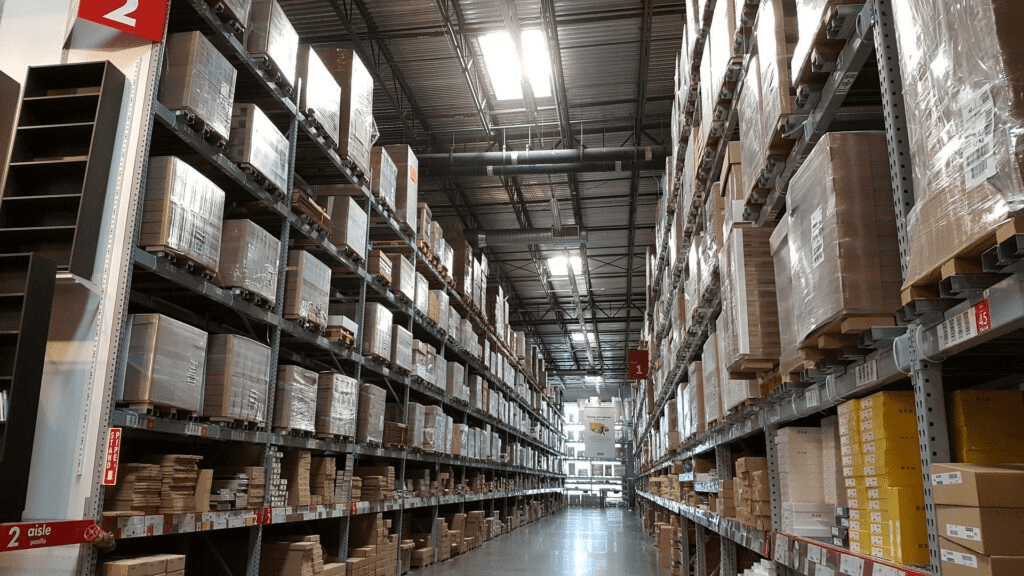
Warehouse with various items on shelves

Key Takeaways:

  • Third-party logistics can significantly enhance your supply chain efficiency.
  • Shared resources among companies can save costs and improve service levels.
  • Regular assessments and leveraging technology are crucial for optimizing logistics networks.

For businesses aiming to optimize their logistics networks, third-party logistics (3PL) partnerships have become a fundamental ingredient in their recipes for success. We’re not talking about a few odd businesses here and there. More than 90% of Fortune 500 companies use 3PL Partnerships, according to a 2024 study. With the right 3PL provider, you’ll find delicious flavors like cutting-edge warehousing facilities, warehouse management services (WMS), real-time inventory tracking, smoother order processing, and accurate demand forecasting to help optimize your supply chain. These ingredients go a long way toward streamlined logistics and cost savings, as businesses can leverage the provider’s infrastructure and expertise instead of investing in their own. That aforementioned 2024 study found that 100% of those who responded said that their 3PL provider directly improved their service to their own customers. 

Effective 3PL providers rely on advanced technology to enhance the efficiency of logistics operations. While these partnerships do come with a few challenges, such as potential risks to service reliability and quality — which can lead to service disruptions and order delays — the benefits can be substantial. Here, we’ll share some insights into how you can maximize efficiency with the right partnerships. 

Assessing Your Logistics Network Needs

Where Are You Now?

You won’t find a cure if you don’t have a proper diagnosis. Before diving into any partnership, it’s important to assess your current logistics performance. Evaluating key performance indicators (KPIs) such as delivery times, order accuracy, and transportation costs will help you identify bottlenecks and inefficiencies in your current logistics environment. This level of assessment provides a clear picture of where improvements are needed and areas where a 3PL provider can help. Your next step is to define a clear set of objectives. 

What Do You Need?

Define what you want to achieve with a 3PL partnership; whether it’s reducing costs, improving delivery times, optimizing your import process, or expanding your geographic reach. Differentiate between your short-term and long-term goals to ensure any prospective 3PL provider aligns with your own business strategy. By clearly understanding what your logistics network needs and objectives are, you can make informed decisions about which 3PL provider will best serve your business. 

Selecting the Right 3PL Partner

Choose Wisely

Don’t be too hasty in picking a provider. You’re not choosing a side to go with your entrée. We’re talking about the success of your business here. Choosing the right 3PL partner is a critical decision that can significantly impact the efficiency of your network. Naturally, industry experience and expertise are must-haves, as a provider that is familiar with your industry will better understand your specific logistics challenges. Additionally, ensure that the 3PL provider offers innovative solutions for warehouse management, inventory management, and supply chain optimization to streamline your operations. Also, the provider’s geographic reach should align with your business needs — especially if you operate in multiple regions or countries.

Look Carefully

Look even closer. Conducting due diligence is super-important before finalizing any 3PL agreement that aims to optimize your logistics networks. Verify the provider’s credibility and performance history. Reviewing case studies and client testimonials can provide insights into the provider’s performance track record, as well as their overall reputation for customer service. When negotiating terms, pay close attention to Service Level Agreements (SLAs) to ensure that they meet your expectations. Understanding the cost structures and pricing models is also crucial to avoid hidden fees or expenses that pop up as a surprise.

Implementing 3PL Partnerships

The Hand-Off

Okay, breathe. We’re coming into the home stretch. Once you’ve selected a 3PL partner, the next step is to implement the partnership effectively. Planning the transition is critical to minimize any disruptions during the switch. You’ll want to create a detailed transition plan that outlines all of the steps and timelines, ensuring that all stakeholders are both informed and prepared. Integration with existing systems is another important aspect when it comes to streamlining logistics networks. Ensure that the 3PL provider’s technology is compatible with your current business software, in order to facilitate seamless data sharing and communication.

Stay Sharp

Training and support are also essential components of a successful logistics partnership. Make sure to train your in-house staff on any new processes and systems introduced by the 3PL provider. This will help them to adapt quickly and to maintain efficiency. Ongoing support from the 3PL provider is essential to address any issues that arise and to ensure continuous improvement.

Leveraging Technology for Enhanced Efficiency

Let’s revisit the pay-offs. One of the significant advantages of 3PL partnerships is the access to advanced technology that can enhance the efficiency of logistics networks. The previously mentioned 2024 study has shown that nearly all those surveyed agreed that “emerging technology adoption is critical to future growth and overall success.” Cummins Logistics is at the forefront of these technological advances. 

Adopting technologies such as Warehouse Management Systems (WMS) and inventory management software can streamline operations and improve accuracy. Real-time tracking and analytics provide valuable insights into the status of shipments, and enable better decision-making for proactive issue resolution.

While rumors about the robot takeover circulate among the peanut gallery, automation and AI are transforming logistics operations by introducing efficiencies that were previously unattainable. The use of robotics and automation in warehouses can significantly reduce manual labor and increase throughput. Predictive analytics and AI-driven decision-making enable more accurate demand forecasting and inventory management, thereby reducing the risk of stock-outs and overstock situations. Leveraging these technologies through a 3PL provider can significantly transform your logistics networks.

Continuous Improvement and Performance Monitoring

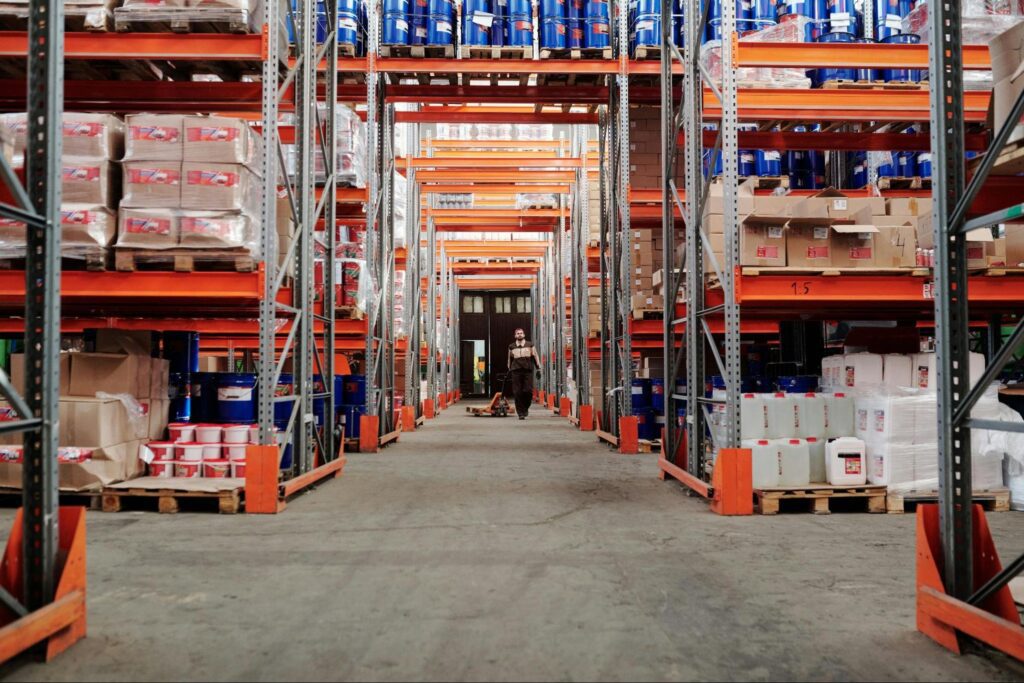
Neatly organized warehouse shelves

Technological advancements don’t equal “set it and forget it.” Maximizing the efficiency of your business logistics by partnering with a 3PL provider is an ongoing process, no matter where your business falls among industries served by 3PL providers. Regular performance reviews are essential to ensure that the 3PL provider is meeting the SLA terms and KPIs. Periodic assessments will allow you to identify areas for improvement and adjust your goals as needed. Establishing channels for continuous feedback is also vital. Encourage open communication between your team and the 3PL provider to address any issues promptly and to ensure that both parties are aligned on expectations.

The ancient Chinese philosopher Lao Tzu said, “If you do not change direction, you may end up where you are heading.” Scalability and adaptability of logistics networks are crucial for long-term success. As your business grows, your logistics needs will evolve. Ensure that the 3PL provider can scale operations to meet increasing demand and adapt to changes in market conditions. This type of flexibility will help support your business’s growth trajectory and help maintain efficiency in your logistics networks.

Learn More About Cummins Logistics

3PL partnerships offer a strategic advantage for businesses looking to maximize the efficiency of their logistics. By collaborating with a reliable and experienced partner like Cummins Logistics, companies can unlock the full potential of their supply chain operations. Our expertise in the industry, commitment to innovation, and dedication to building strong client relationships enable us to deliver tailored solutions that drive growth and success.

Talk to an expert today to discover how we can help you optimize your logistics networks for maximum efficiency.

Comparing the Top 3PL Warehousing Companies in Los Angeles: What You Need to Know

A busy shipping warehouse facility

Key Takeaways:

  • Top companies are based on services offered, pricing, and client feedback.
  • A well-suited 3PL can enhance efficiency and reduce costs for businesses.
  • Key factors include service availability, technology integration, and scalability.

If your company is seeking out 3PL warehousing solutions for the first time, you may be thinking all of the vendors on the market are the same and that price is the only factor worth considering. Nothing could be further from the truth. 

An unreliable 3PL provider can drive up your company’s operational costs and cause customer satisfaction to plummet due to deliveries—especially in a region as large and complex as the Greater Los Angeles area. Top 3PL warehousing companies, on the other hand, can streamline your supply chain and logistics function. 

If your company is comparing warehousing vendors in Southern California, here are some questions worth asking. 

1. Does the Vendor Prioritize Customer Service? 

Look at the website of any warehousing company—or any company, for that matter—and you’ll likely see a mention of how they’re dedicated to customer service. Few, however, can explain how they actually deliver this service. 

For example, many vendors struggle to answer basic questions, such as how much inventory your company has on hand at any time or when your next order will arrive. As a top 3PL warehouse company in Los Angeles, the team at Cummins Logistic can tell you exactly why we’re widely regarded as warehousing and logistics leaders in customer service

Unlike many other providers, who talk about the wide range of 3PL services they offer, we focus exclusively on 3PL warehousing. This allows us to focus on designing tailored 3PL warehousing solutions for each of our customers, and ensuring they always have a direct line to our management team. 

2. Can I Easily Access My Company’s Inventory Data?

Warehouse employees walking through shelves of goods

In the past, it was challenging to access data about your company’s inventory levels at a moment’s notice. Today, top 3PL warehouse companies have made it simple for their clients to pull inventory level reports—and so much more. 

The ability to access this type of data is powered by inventory management software. Every item of inventory exists as a data point within these systems. So, as shipments arrive at the warehouse and then leave for orders, the system automatically updates overall inventory levels. Companies can access this data at a moment’s notice using an application on the phone or computer. Unfortunately, not every 3PL company can offer this capability. 

As one of the top 3PL warehousing companies in Southern California, we consider technology one of our key areas of strength, which is why we use cloud-based inventory management software from Extensiv, one of the market leader’s. Our clients can access reports customized based on their business needs through any device 24 hours a day, seven days a week. 

This allows you to be able to have real-time tracking of your shipments, so everything runs smoothly. The enhanced visibility of this inventory management system reduces errors and helps to ensure accuracy. This all leads to a more efficient supply chain for you and your business. 

3. Are the Vendor’s Facilities in Close Proximity to Major Ports?

Southern California is home to two of the nation’s busiest ports. The region is a hub for international commerce, and many businesses within it want to take advantage of its access to overseas markets. 

Top 3PL warehousing companies are aware of this fact and strategically locate their facilities a short distance away from major ports. Whenever shipments arrive, trucks can quickly transport items to nearby warehouses before they’re sent off to customers. 

Cummins Logistics’ 3PL warehousing solutions take it a step further. Our warehouse facilities are located in City of Commerce, CA, which is not only a short distance from the Ports of Los Angeles and Long Beach, but also major markets in the area, including Los Angeles, San Diego, and Orange Counties. 

As a top 3PL warehousing company, we also offer cross-docking services and transloading services. When items arrive from overseas, we can quickly process them in our warehouse and send them off to your customers using the optimal transportation method. 

4. Does the Vendor Require Your Company to Sign a Long-Term Lease? 

Many warehousing vendors attempt to lock their clients into long-term leases that offer them little flexibility. This can be a major problem if the business needs change or if they’re unsatisfied with the services provided to them by the warehousing vendor. 

At Cummins Logistics, we believe top 3PL warehousing companies should be responsive to the needs of their clients. We don’t force our clients to sign annual or multiple-year leases. Instead, agreements are formed on a month-to-month warehousing basis. If you need more or less storage space, or if you’ve simply found a 3PL warehousing solutions vendor willing to offer you better rates on storage, we are willing to amend your agreement immediately rather than waiting a year or longer. 

Find Out What Makes Cummins Logistics Different Today

Cummins Logistics can provide all the services you’d expect from a top 3PL partner, and with the personalized customer support that comes from being appropriately sized. 

Cummins LogisticsOther 3PL Companies
FDA-registeredYes!It varies company to company

Month-to-month services
Yes!
No long-term lease required
Typically involves a contract term of several months up to a year


Superior customer service
Yes!
You have a direct line to management for all all your needs
The “big guys” will have you dealing with a confusing phone tree, and getting transferred between multiple departments to resolve your issue

Cummins Logistics has been in the logistics business for over 50 years! Founded by a husband and wife team, they started out hauling goods all over California. Before long, they had grown the company themselves and became a regional expert for all things warehousing, cross-docking, and 3PL partnerships. 

Now with their son behind the wheel of the company, the same family values which made them great are still in place today. You’ll get personalized service and improvements to your supply chain that can’t be beat.  

Get started today by contacting a warehousing expert from Cummins Logistics today!

Efficient Warehousing for Successful Los Angeles Importers

Professionally organized warehouse filled with pallets

What pops into your head when you think of Los Angeles? Probably movies, music, and beaches, right? 

There’s more to Los Angeles than Hollywood. For example, could you have ever guessed that Los Angeles is the nation’s second largest port city? Every hour, massive container ships carrying tons upon tons of goods arrive at nearby ports. Eventually, everything on those ships will end up on the doorsteps of customers or businesses.

But, what happens after items are unloaded from those ships and onto trucks? Truthfully, it becomes a bit chaotic at that very moment. Businesses who import goods through either of Southern California’s ports need a helping hand. 3PL warehouses are ready and willing to step in. 

We’ll hop into how much of a game changer efficient 3PL warehousing providers can be in just a second but first, let’s talk about some of the big hurdles importers face.

Challenges Faced by Los Angeles Importers

Los Angeles importers face significant challenges, like managing the high demand for imports and fast turnover, which strain warehousing operations, particularly during peak seasons. Importers must use dynamic stocking strategies to maintain stock availability without creating excess inventory, which can be costly. Space constraints present another major issue. With real estate at a premium in Los Angeles, the efficient use of limited warehousing space is crucial.

Offsite storage can help manage overflow, but it adds complexity to logistics. Regulatory compliance is a daunting task, too. Local and federal laws governing imports, labor, and safety standards are stringent and can create hurdles. Staying compliant requires constant vigilance and can be resource-intensive, but it’s essential to avoid legal repercussions. These factors make the importing business in Los Angeles a challenging  – albeit potentially rewarding – endeavor. This is where efficient warehousing choices come in.

Delays at the LA port also pose another challenge for Los Angeles importers. The reasons for these delays could be anything from congestion at the railyard to missing or incomplete information on the shipment itself. With our state-of-the-art tracking system, we can easily track every detail about your cargo and solve problems before they arise, or keep you notified of any potential delays. Working with an experienced partner, such as Cummings Logistics, is essential for navigating the numerous challenges which come with importing goods into LA.

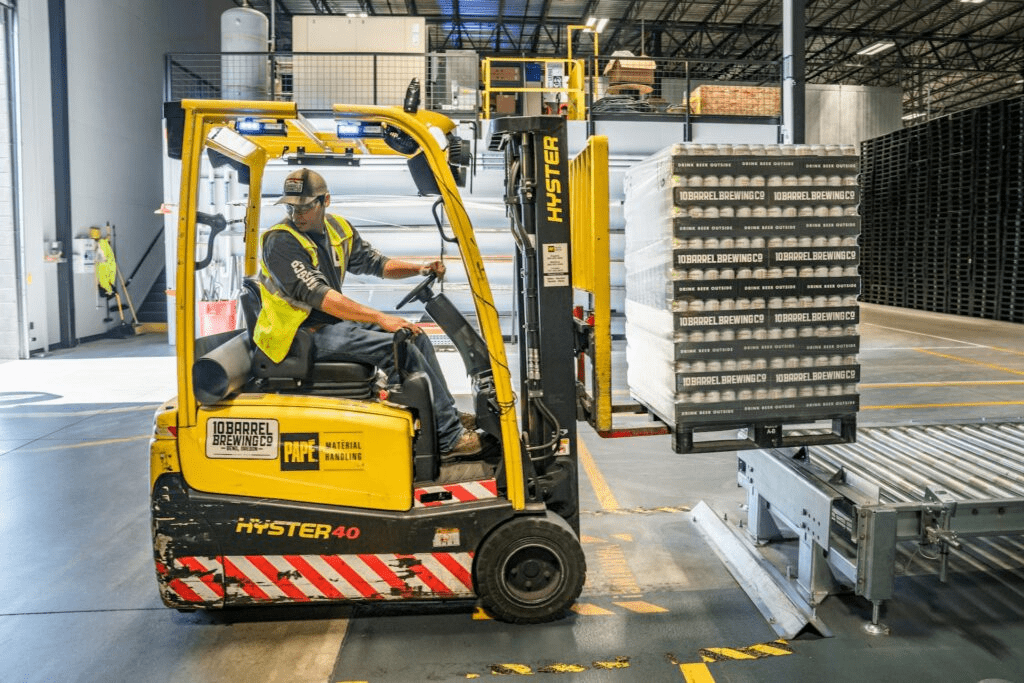
Forklift operator loading goods onto a truck

The Importance of Efficient Warehousing for Importers

Without the support of 3PL vendors, logistics in Southern California can become a bit topsy-turvy. It acts as a bridge between international shipping and domestic distribution. When paired with effective inventory management, efficient warehouse solutions make sure goods move quickly to where they need to be. This setup helps get imported goods to customers without delay. Los Angeles has thousands of miles of highway and railroad, along with access to waterways, to keep everything moving along. 

Proper storage conditions ensure the quality of products until they reach consumers. By keeping stock organized and accessible, efficient warehousing facilities save time and money. They also allow businesses in various industries to meet customer demands faster. Warehouses in Los Angeles streamline the journey of goods from overseas factories to homes and businesses around the country, making the supply chain more efficient and reliable. 

For Los Angeles importers, this translates into significant benefits:

  • Cost Savings: By optimizing storage and minimizing unused space, cost reductions are substantial.  Streamlined processes cut down on labor hours, reduce waste, and maximize resource use. This results in lower operating expenses. 
  • Enhanced Customer Satisfaction: Speedy fulfillment is vital in today’s fast-paced market. Efficient warehousing ensures timely deliveries and accurate order fulfillment, enhancing customer satisfaction and loyalty. 
  • Operational Agility: Quick adaptation to fluctuating market demands and seasons is possible. Accurate inventory management reduces mistakes and the associated costs of correcting them. You avoid overstocking or running out of stock, maintaining a balanced inventory that meets demand without excess.

The essence of warehousing lies in its ability to facilitate smooth supply chain operations. This way, Los Angeles importers can ensure that operations run smoothly, positioning themselves for higher profitability and sustainable growth. Efficient operations are key to achieving success.

Key Elements of Effective Warehousing

Forklift driver moving pallets around a warehouse

Great warehousing providers don’t just sit around and wait for you to show up and drop off some pallets. They’re allies in your never-ending war against the seemingly endless wave of disruptors to your supply chain.

  • Location: Warehouses situated close to the Ports of Long Beach and Los Angeles offer a strategic advantage for importers. This proximity facilitates quicker customs clearance and reduces the time goods spend in transit. Importers thus gain a logistical edge, enhancing overall supply chain efficiency.
  • Technology: Advanced technology integration is crucial in modern warehousing. Warehouse Management Systems (WMS) provide precise control over inventory and operations. Automation through robotics and automated retrieval systems streamlines tasks, minimizing errors and accelerating throughput, which is vital for high-volume importers.
  • Layout and Space Utilization: A key element of efficient warehousing is an intelligently designed warehouse layout that minimizes movement, translating into faster picking and packing operations. Effective space utilization ensures that goods are not just stored, but are easily accessible for quick dispatch. Well-planned layouts enhance mobility, ensuring smooth operations even during peak periods.
  • Inventory Management: Innovative inventory management balances stock levels optimally. Just-In-Time (JIT) practices cut down on excess inventory, saving costs and reducing waste. ABC analysis enables prioritization, ensuring that high-demand items are readily available. Real-time tracking provides agility, essential for adjusting to market dynamics swiftly.
  • Staffing and Training: Competent staff form the backbone of efficient warehousing. Regular training programs equip employees with the skills necessary to handle advanced technologies and adhere to best practices. Continuous education keeps the workforce informed, ensuring high productivity and safety standards.
  • Safety Protocols: Implementing stringent safety protocols is non-negotiable. Regular audits and updates of safety equipment foster a secure working environment. Training sessions focused on safety prepare staff to manage emergencies effectively, safeguarding personnel and goods alike.

Frequently Asked Questions

What makes LA such a critical location for warehousing?

With the ports of Los Angeles and Long Beach nearby, it’s an ideal location for anyone shipping goods into the US from the Asian market. These ports are paired with substantial road and rail transportation networks to expedite the movement of goods throughout California and across the US. 

What should I look for in an LA warehouse facility?

You’ll want something close to both the LA and Long Beach ports for ease of movement. You also want a secure storage facility which is located next to several of the main highways around the city. It also needs to be cost-effective for your business needs. Our warehousing solutions proudly meet all of these criteria at Cummins Logistics!

What industries do you work with?
We have efficient warehousing solutions for nearly every variety of business that ships goods into the US through Los Angeles. Our cross-docking services are ideal for businesses which have high-turnover or their imported goods, such as e-commerce or retail. We also have storage options for non-perishable foods, as well as cosmetics, due to our temperature and humidity control systems.

Strategically organized warehouse

Warehousing Solutions for Southern California Importers

Are you ready to optimize your warehouse operations? Implementing strategic warehousing elements and exploring third-party solutions can make a significant difference. If you’re looking for efficient warehousing in Los Angeles, talk to a 3PL warehousing expert at Cummins Logistics to discuss your import operations and warehousing requirements. We offer port proximity advantages, enhanced customer access, security assurance, cost-effective operations, logistics optimization, and an import partnership edge like no other.

Get in touch with our expert team today! We offer free quotes and consultations for all your efficient warehousing needs, and all our services are paired with top-notch customer service.

Streamlining Your Supply Chain with Cross-Dock Logistics

  • Cross-docking is used to speed up the supply chain process
  • Inbound products are transferred immediately onto outboard transportation 
  • Cross-docking reduces warehousing and labor costs
  • The implementation can be tricky, but the benefits far outweigh any of the challenges

Increasing the efficiency of your supply chain not only increases customer satisfaction through timely delivery, but can also help keep operational costs down. One tool businesses can utilize to accomplish this goal is cross-docking. It’s a logistics practice which can reduce handling costs, minimize warehouse usage, and speed up the shipment process all at the same time.

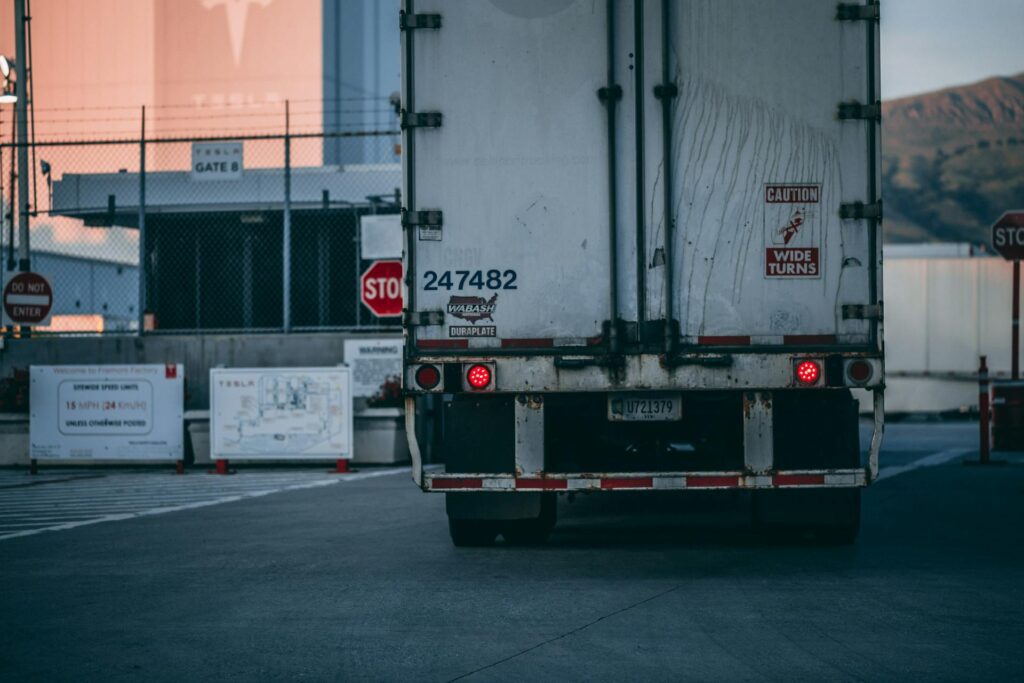
Truck shipping goods through checkpoint

The Basics of Cross-Dock Logistics

Cross-docking in supply chain management is the practice of taking your inbound products and immediately moving them onto outbound transportation to be shipped directly to the consumer. This eliminates the need for storing products in a warehouse, and the labor costs which are associated with that, creating a more streamlined approach in getting goods from supplier to customer.  

This process typically involves sorting incoming goods according to their destination, and then moving them directly onto an outbound truck. This reduces the traditional shipping process down to just a few hours, instead of days or weeks. 

Key Benefits of Cross-Docking

In addition to the added benefit of speed, cross dock logistics offers several other key benefits. One major benefit is eliminating long-term storage usage in a warehouse. This reduces the cost associated with warehouse space needs, utility costs, and the labor costs that come with storing and retrieving goods from the warehouse.

Trucks being loaded in warehouse

The transportation efficiency that comes with adding cross-docking in your supply chain management procedures is another advantage. Cross dock logistics allows your products to spend less time in the supply chain. This gives your business the ability to be more responsive to current market trends. 

With your products spending less time in storage, you can also worry less about theft and damage. Your goods will be moving through the system quickly, reducing your exposure to any potential loss. 

Who Benefits Most

Cross dock logistics can benefit many industries, but certain industries will be more prone to reap the benefits that cross-docking provides. Any business that deals with food warehousing and shipments of consumer goods will notice immediate improvements. Businesses who have fast-moving goods which are subject to high-turnover will be able to keep the shelves stocked with their products more efficiently. 

E-commerce companies are relying more and more on cross-docking in their supply chain management to keep up with the demand of fast shipping. Cross dock logistics reduces the associated cost-per-item by eliminating some of the expenses that come with storage and shipping. This translates into a better profit bottom line, while also providing a better experience for customers. 

Any company which receives a finished product, that they in turn sell directly to a consumer, would notice the benefits cross-dock logistics provides. 

Implementation

Implementing such logistics successfully requires careful planning. With the added benefit of speed, timely coordination between shipments needs to be maintained. This is where real-time delivery information systems intersect heavily with cross-docking in supply chain management. Supplier coordination is critical in the successful implementation of cross-dock logistics. If the inbound shipment is delayed for whatever reason, this can cause the outbound shipment to subsequently be delayed as well.

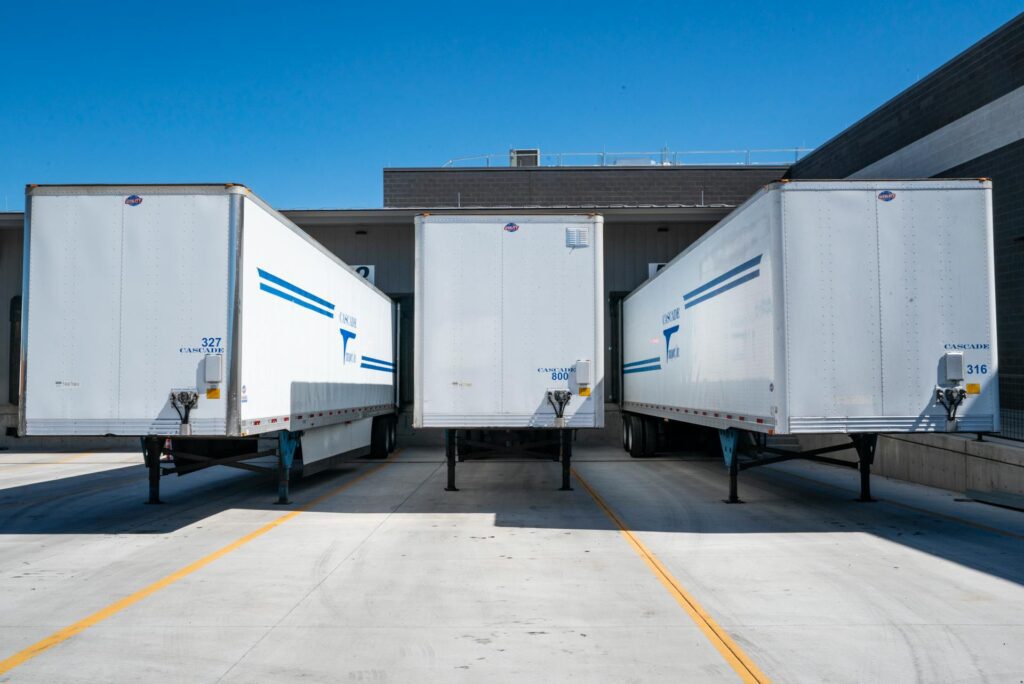
Truck trailers waiting for pickup

The location of your cross-docking facility also needs to be in a strategic location. They need to be easily accessible for your inbound shipments, while also being close to major transportation networks.

Quality control of your products also needs to be adapted for the cross-dock logistics process. Traditional warehousing allows for plenty of time for extensive quality checks during storage, but cross-docking requires quick inspection of the goods while they’re being transferred to the outbound shipment.

Warehouse working using ipad for quality control

Final Thoughts

Despite any implementation challenges, the benefits outweigh any challenges. The usage of cross-docking in supply chain management is a powerful tool that can reduce holding costs, speeding up fulfillment, and gives an overall increase to shipping efficiency. In today’s business marketplace, you need every competitive advantage you can get. 

Get in touch with our expert team at Cummins Logistics today, and see how we can help with all your shipping needs. We offer free quotes on all our services, and even let you tour our warehouse facilities to give you additional peace of mind.

Warehousing and Cross-Docking in Southern California: A Practical Guide

  • Southern California is in a prime location to receive shipments from abroad
  • This has led the area to specialize in high-volume outbound shipping traffic via road, rail, and air infrastructure
  • The sustained demand has allowed for the development and implementation of new technology which increases efficiency
  • All of these factors combine to create a perfect environment of logistics and supply chain management

Southern California offers several distinct advantages when it comes to global trade entering the United States. With its several ports, and expansive road and rail network, it’s a critical location for trade entering the US. These goods are then able to be shipped all across the Western half of the country with ease. It’s what makes Southern California a unique location to offer warehousing and cross-docking solutions for businesses. 

Advantages in Southern California

The region of Southern California has several key factors which made it such an important hub for trade. 40% of all the goods being shipped into the United States come through the ports of Los Angeles and Long Beach. This created the need for an efficient system of being able to move a large quantity of goods in a timely manner. 

The region also has a population of nearly 20 million people, creating a massive local consumer marketplace for selling goods.

Prime Location to Relevant Operations

Shipping containers in a port location

Southern California also has expansive highway networks, railway connections, and airports for air cargo. These connections to outside regions provide the area with another benefit for the shipping of goods. 

Moving inland from the coast, several nearby cities specialize in warehousing and cross-docking. These areas offer the same proximity to road and rail networks for smooth distribution of stored goods. It’s what makes cross dock operations (which is the process of taking goods from an inbound shipment and moving them directly to an outbound shipment) such a vital part of the supply chain. It speeds up the fulfillment process drastically, and gets your products where they need to be faster than traditional warehousing strategies can provide.

Warehousing and Cross-Docking Opportunities

The Southern California region has specialized in dealing with high-volume, and time-sensitive, logistics operations. The constant movement of goods through the area has developed some of the most efficient operations in the world. This includes smart warehousing, efficient distribution, and cross dock operations which are among the best in the world.

Workers walking through a warehouse

These warehousing and cross-docking operations are paired with the newest technology to provide an even more efficient service. This includes automated sorting, real-time tracking, and consolidation of products into a single shipment. These all help keep overhead costs low, while also providing fast distribution. 

Outlook and Planning

E-commerce warehousing continues to grow at lightning speed, and with these goods primarily coming from manufactures in Asia, there will be a sustained demand for warehousing and distribution activities in Southern California. This will lead to more developments in making supply chains more responsive, and more efficient.

If your established business wants to take advantage of all the warehousing and cross-docking opportunities which are available in the Southern California region, our expert team is standing by to offer solutions. We have been operating out of Southern California for nearly 50 years, and we have the time-tested expertise in the region to meet all of your needs. We have the best team when it comes to warehousing and cross dock operations in the area. Contact us today for a free quote.

The Role of Third-Party Warehousing Companies in L.A. During Supply Chain Disruptions

A tugboat guiding a container ship into port.

In the early days of the Covid-19 pandemic, companies scaled back production in response to a rapid decline in consumer demand. But, by the end of 2021, businesses began to reopen and demand consequently skyrocketed. 

The global supply chain was ill-prepared for this type of interruption, and it underscored the importance of having a backup plan in place in the event of a breakdown in the supply chain. Unfortunately, Southern California is no stranger to these types of breakdowns. Partnerships with third-party warehousing companies can, however, help your business overcome the challenges posed by disruptions.

But before explaining how, let’s first cover some of the biggest threats to the supply chain for Los Angeles-based businesses. 

An Unpredictable Environment

Southern California is home to two of the nation’s largest ports—the Ports of Los Angeles and Long Beach—along with thousands of miles of highways and railroads. Supply chain breakdowns can stem from any one of them. 

Southern California’s unique geographic and economic position creates special vulnerability to supply chain disruptions around these ports. Each risk brings distinct challenges to logistics operations that third-party warehousing companies must plan for:

Wildfires:

  • The devastating 2020 wildfire season across California inflicted a staggering financial toll exceeding $4.2 billion dollars in destroyed homes, businesses, and infrastructure.
  • Jump ahead to this year, and we’ve witnessed trucking fleets scrambling to establish alternative pathways when flames engulfed critical transportation corridors. These unexpected detours haven’t just stretched delivery timelines – they’ve hammered companies with unplanned fuel expenses and labor costs while leaving customers frustrated by shipping uncertainties.
  • U.S. BLS data show that employment drops by an average of half a percentage during fire events in California, including a decrease in industries related to trade, transportation, and utilities. 

Third-party warehousing companies with distributed inventory across multiple facilities were able to better maintain fulfillment rates despite road closures. Also, businesses with comprehensive emergency planning are better equipped to resume operations days faster than unprepared facilities

Earthquakes:

  • When Loma Prieta violently shook Northern California in ‘89, road networks fractured, including the vital San Francisco-Oakland Bay Bridge artery, forcing logistics managers to hastily improvise while vehicles crawled through unprecedented gridlock and third-party warehousing companies were stocked-out.
  • Five years afterwards, Northridge’s violent upheaval twisted steel and concrete freeways into useless ruins across Los Angeles, causing massive supply chain disruptions and unleashing a financial catastrophe approaching $49 billion as homes crumbled and businesses shuttered throughout the region. 

Smart warehouse partners now incorporate earthquake resistance in facility design. They maintain backup power systems and satellite communication capabilities that function when traditional infrastructure fails.

Landslides:

  • The notoriously unstable Big Sur corridor exemplifies this vulnerability – between 1961 and 2001, crews tackled 55 significant landslide blockages along this stunning yet treacherous stretch.
  • When saturated ground collapsed at Rat Creek in 2021, the resulting 70+ day closure of Highway 1 forced countless eighteen wheelers and delivery vehicles into exhausting inland detours, burning extra fuel and killing delivery schedules. 

Strategic warehouse positioning away from hillside zones and planned alternative routes by third-party warehousing companies can mitigate the effects of road closures caused by landslides. 

Unions:

  • During the 2023 port worker negotiations – which took place at West Coast ports that, as of early 2025, handled roughly 42.7% of US containerized imports by value – greatly slowed down delivery and transport
  • In early June 2023, at the worst point of the union-based supply chain disruption, average container dwell time at LA and Long Beach went above 7 days

Businesses and Warehouse partners can plan accordingly by making sure to have excess safety stock on hand to avoid disruption during work stoppages. Just-in-Time warehouses may face stockouts under such circumstances! 

Third-party warehousing companies can offer your business consultative support as you navigate these challenges. Here’s how:

Goods are Stored Near Your Customers

Boxes stored on the shelves inside of a third party-logistics warehousing company’s facility

Shipments from suppliers overseas can be disrupted by any number of events, from storms to labor strikes at ports. A warehouse partner ensures you have the items you need in the proximity of your customers. 

When your company outsources inventory storage to third-party warehouses, all imported goods are immediately shipped from ports of arrival to a nearby warehouse facility. During supply chain disruptions, you can feel confident you will still be able to meet customer demand with a reliable third-party warehousing company, until operations are restored. 

You Get Visibility Into Your Inventory

Interruptions in the supply chain can make it difficult for companies to keep track of their inventory levels since shipments typically arrive less frequently. A trustworthy warehousing partner can offer peace of mind during moments like this and help your business circumvent such issues.

Many third-party warehouses use advanced inventory management software that offers their clients real-time visibility into inventory levels. As inventory levels drop, companies can respond by alerting their customers and contacting suppliers to determine when future shipments will arrive. 

At the same time, third-party warehousing companies can use inventory monitoring technology to determine the optimal amount of safety stock to reduce the likelihood of stockouts while minimizing storage costs. 

You Get Access to Supply Chain and Logistics Experts

Interruptions in the supply chain can be stressful for business owners. During such trying times, it’s important to have access to professionals with experience in the field. 

Third-party warehouses have the experience and expertise needed to help their clients navigate the challenges of a disruptive event. They can offer updates in a rapidly evolving environment and provide suggestions on how your company can prepare itself for future supply chain disruptions. 

Third-Party Warehousing Company Trends and Future Outlook

Recent supply chain management shifts emphasize resilience over pure efficiency.

Key trends reshaping Southern California warehousing include:

  • Safety stock increases: According to a McKinsey survey of supply chain leaders, 97% of respondents said they were pursuing a combination of tactics to fight supply chain breakdowns, including increasing inventory.
  • Increased space demand: As of 2021, annual net absorption, the total change in occupied space, is now 56.3% higher than it was in the previous ten-year period and the demand for space is projected to increase for businesses and third-party warehousing companies. 
  • Vacancy rates: vacancy rates sit roughly around 7.4% in Southern California, but have fluctuated greatly over the years. The recent and likely short-lived increase in vacancy offers an opportunity for importers and warehousers alike.

Of course, part of staying ahead of these trends is introducing new approaches to warehousing strategies. Technological integration is one area where warehousing is likely to drastically change in the coming future:

  • Surveys show that 92% of supply chain leaders are planning on spending more on upgrading inventory and network-optimization tools to increase logistical resilience to supply chain disruptions. Third-party warehousing companies will be at the cutting edge of implementation.
  • A recent study on North American distributors found that embedding AI in forecasting can help reduce on-hand inventory by 20-30% and lower stockout rates by 5-15%.
  • Some supply chain analysts predict that by 2027, up to 75% of companies will adopt some form of cyber-physical automation in their warehouses. 

Forwarded-thinking third-party warehousing partners stay abreast of such changes and are always working to integrate new developments. They identify specific vulnerabilities in your supply chain and create contingency plans tailored to your product lines and customer distribution patterns.

At Cummins Logistics, A Third-Party Warehousing Company That Has Your Back

If you’re in search of a 3PL provider with experience in tackling the challenges of the global supply chain, Cummins Logistics can help. We have more than 40 years of experience in building customized warehousing solutions for each of our clients. Get started today

Smart Warehousing Solutions for Southern California 3PLs

Palletized goods in a warehouse

Southern California plays a critical role in the U.S. supply chain, mainly due to its proximity to the Ports of Los Angeles and Long Beach. Quick access to these ports means goods move faster, making warehouses around this area essential. Efficient warehousing is crucial. Period. In modern logistics, smart warehousing is not optional. Today’s demands require real-time tracking, automation, and advanced inventory systems to keep up with the fast pace. Smart warehousing solutions ensure better accuracy, reduced costs, and faster delivery times, which keeps your business competitive.

The Unique Challenges of Southern California Warehousing

Here are the most common challenges unique to 3PL warehousing, particularly in Southern California:

  • Sky-High Rents: Industrial real estate here carries premium price tags. Every wasted square foot chips away at margins, so 3PLs must squeeze maximum efficiency from their space
  • Labor Constraints: A shortage of trained warehouse staff slows down loading docks and order processing. Many industry leaders now see retaining skilled workers as more difficult than finding them in the first place. Smart warehousing solutions can help alleviate this problem.
  • Increased Competition: Southern California’s logistics sector is highly competitive. Differentiation is crucial. Only those who can deliver swift, efficient services stand out. With many 3PLs vying for the same clientele, distinguishing oneself is vital.
  • Port Backups: Congestion at LA and Long Beach often setting off domino delays, from inbound shipments to outbound order fulfillment. Smart scheduling and dynamic rerouting are no longer optional–they’re essential.
  • Stringent Environmental Regulations: California’s strict environmental laws demand that Southern California 3PLs adopt sustainable practices. Compliance can be daunting, but is necessary for long-term success. Efficient management systems help meet these requirements.

Key Components of Smart Warehousing Solutions

Smart warehousing is revolutionizing supply chain management with new technologies that enhance productivity, accuracy, and efficiency. Here’s an overview of what makes these solutions beneficial for Southern California 3PLs:

  • Advanced Warehouse Management Systems: Warehouse management systems are the central nervous system of smart warehousing:
    • They deliver up-to-the-second visibility into stock levels and location.
    • They can automate routine tasks, from replenishment triggers to pick-pack workflows.
  • Automated Storage and Retrieval Systems: This smart technology automates the placement and retrieval of goods within warehouses. Implementing it can:
    • Enhance storage efficiency 
    • Reduce labor costs for 3PLs.
  • Robotic Process Automation: This smart warehousing solution automates routine tasks, saving time and money while improving accuracy. It handles:
    • Data entry, order processing, and inventory management, allowing workers to focus on strategic tasks. 
    • It can also cut labor costs and speed-up order cycles by reducing manual work in inbound order processing by 80%.
  • Internet of Things (IoT) and Data Analytics: IoT devices and analytics provide detailed insights into inventory and supply chain status, by offering
    • Sensors that track items in real-time.
    • Data analytics that offer actionable intelligence. 
    • Improving decision-making capabilities.
  • Artificial Intelligence (AI) and Machine Learning: AI and machine learning algorithms are the cutting edge of smart warehousing solutions – they predict demand, optimize routes, and manage inventories more effectively. They identify patterns often missed, helping Southern California 3PLs tailor operations for better outcomes.
  • Cloud-Based Technology: Cloud technology enables seamless inventory management accessible from anywhere, thus providing:
    • Scalable solutions
    • Reduced upfront costs
    • Real-time updates
  • Labor Management and Optimization: Effective labor management goes beyond better scheduling to include training and ergonomic solutions. Smart algorithms can assign tasks based on skill levels and experience, optimizing the labor force.
  • Green Warehousing Initiatives: Green warehousing and sustainable operations not only promote sustainability, but can also dramatically cut costs. Such smart warehousing solutions include:
    • Savings: LED lighting, solar installations, and energy-efficient HVAC systems.
    • A PR Boon: Apples to eco-savvy clients and supports corporate social responsibility (CSR) goals.

Smart Warehousing – The Undeniable Benefits

Forklift carrying goods in a warehouse

These smart warehousing innovations are more than just technological bells and whistles for Southern California’s third-party logistics providers. They deliver results – such as significantly boosting inventory management and supply chain visibility, or making operations more efficient and cost-effective. Key benefits include:

  • Real-time inventory tracking 
  • Reduced stockouts and overstock
  • Faster, accurate order fulfillment
  • Optimized storage layouts
  • Efficient space management
  • Lower operational expenses
  • Streamlined processes
  • Enhanced supply chain resilience
  • Improved customer satisfaction

Talk to an Expert at Cummins Logistics

Embracing smart warehousing solutions can help your business overcome emergent challenges, gain a competitive advantage, and deliver exceptional service to your customers. Choose Cummins Logistics for smart warehousing strategies specifically tailored for Southern California 3PLs. Talk to an expert today, or explore our state-of-the-art warehouse to see how we can transform your warehousing and distribution operations.

The Not-So-Obvious Impact of Tariff-Rate Quotas

Shipping Containers at a port
  • Tariff-rate quotas spark battles for allocations and lead to unusual business partnerships to maintain market access.
  • Sugar, dairy, and other food importers feel the squeeze acutely as food tariff rates over-quota can jump from single digits to 50%+ higher.
  • Smart importers leverage strategic storage facilities, letting them maximize quota usage while maintaining flexibility.

That chocolate bar you grabbed during yesterday’s grocery run? Behind its journey to American shelves lies a complex maze few shoppers ever consider. While you scanned ingredients or compared prices, food importers were dealing with the impact of tariff-rate quotas, a regulatory obstacle course that determined whether your treat arrived at all.

This hidden world of tariffs on food imports shapes our entire imported food landscape, creating business conditions where perfect timing, solid relationships, and access to strategic warehousing facilities are survival necessities.

Understanding Tariff-Rate Quotas

Think of tariff-rate quotas as a strange two-lane highway where the first vehicles enjoy smooth sailing at minimal cost, but once that lane fills up, everyone else gets diverted to a toll-road with rates so steep they often make the journey financially impossible.

When operating under the quota threshold, importers may not feel any impact of tariffs and pay rates near zero. Cross that invisible line, however, and rates can skyrocket, sometimes exceeding 200% for certain dairy items or over 60% for specific sugar categories. This dramatic difference effectively caps affordable imports each fiscal year. 

Here’s where things get interesting. Because these quotas are limited and valuable, they’ve created a secondary market of sorts – not in the products themselves, but in the rights to import those products at the lower food tariff rates.

Sugar’s Sweet-and-Sour TRQ Reality

One Cummins Logistics customer recently found themselves in a precarious situation where they really felt the impact of tariff-rate quotas. The company imports sugar from Brazil under the U.S. sugar TRQ program. When they unexpectedly lost their buyer, they faced a dilemma: continue importing their allocated quota or lose their valuable TRQ-allocation and expose themselves to over-quota rates for tariffs on food imports in the future

“Many U.S. food importers don’t realize that failing to utilize their current TRQ allocation might affect their future allocation,” explains David Cummins, founder of Cummins Logistics. “It creates situations where importers need to find creative solutions fast.” 

According to the USDA, sugar imports are tightly controlled through annual quotas. In times of domestic shortage, the impact of tariff-rate quotas can be mitigated by increasing the quota threshold, as happened in April 2020 when the USDA dramatically increased raw cane TRQ.

But what happens when market conditions change suddenly mid-year? This is where some importers find themselves seeking unconventional arrangements with other businesses. These might be legitimate business arrangements, or they could be backroom deals with officials that won’t be covered in mainstream business publications.

Dairy’s Food Tariff Conundrum

Sugar isn’t alone in facing these challenges. The dairy industry deals with similarly restrictive import quotas, In fact, in the U.S., the impact of tariff-rate quotas can be staggering as the import quotas for dairy amount to approximately 3% of total dairy production as of 2016. The USDA requires importers to obtain licenses annually between September 1 and October 15 to take advantage of low-tier tariff rates on food imports.

For businesses importing dairy-based products, these restrictions create intense competition for quota allocations. When importers face unexpected changes in their business arrangements, they often need to quickly find alternative buyers to maintain their quota position.

Strategic Warehousing: The Importer’s Secret Weapon

Cargo Ship at Port

This is where strategic warehousing becomes essential in blunting the impact of tariff-rate quotas. Warehousing facilities near ports-of-entry provide importers with the flexibility to maintain their import schedules even when faced with market disruptions.

According to David Cummins: “Having access to reliable warehousing near the Los Angeles and Long Beach ports gives importers the breathing room they need when navigating TRQ challenges. Our 86,000-square-foot facility allows importers to store products while sorting out new distribution arrangements.”

For food-importers working with TRQ-regulated products, timing is everything. Sometimes the difference between paying the in-quota rate versus the prohibitive over-quota rate comes down to having warehouse space available to help mute the impact of this tariff policy.

Balancing Food Tariff Compliance with Business Realities

The TRQ system’s complexity sometimes leads to situations where importers seek creative arrangements to fully utilize quota allocations. Rather than circumventing regulations, it’s important for those importers to find business solutions within the framework of those regulations. For businesses affected by TRQs, partnering with a warehousing provider that understands these challenges can make a huge difference. 

Moving Forward in a TRQ Environment

The reality of tariffs on food imports is far more nuanced than most people realize. Strategic warehousing will remain an essential tool for importers dealing with the impact of tariff-rate quotas.
Need a warehousing partner who understands the unique challenges of food imports under TRQs? Contact Cummins Logistics today for a free quote on our month-to-month warehousing service options.

Warehouse Optimization: Tips for Successful 3PL Distribution

Forklift operator moving a pallet of soft drinks.
  • Achieving warehouse optimization can be a major challenge for many businesses because it requires a delicate balance between speed, accuracy, and cost-effectiveness. 
  • There are several strategies companies can implement to achieve this type of optimization, including utilizing scalable storage solutions, partnering with warehouse providers near ports of entry, and embracing technology like WMS, robotics, and AI. 
  • Companies must also be willing to continuously improve their operations if they hope to achieve warehouse optimization by monitoring their progress toward key performance indicators (KPI) they set for themselves. 

In the dynamic world of logistics, 3PL (Third-Party Logistics) companies have become pivotal in streamlining supply chains across various industries. These companies strive to provide secure logistics warehouse solutions, streamlined inventory management, and easily accessible distribution centers for their clients. This ensures orders are accurate and arrive at their destination on-time.  

However, many businesses that rely on these companies face significant challenges in warehouse optimization, balancing the need for speed, accuracy, and cost-effectiveness. This blog post delves into key strategies that can significantly enhance your warehouse operations, ensuring you stay ahead in the competitive business landscape.

Embrace Scalable Storage Solutions

When it comes to ensuring efficient 3PL distribution, adaptability is key. Warehouses must be capable of responding to fluctuations in demand, a task that becomes easier with scalable storage solutions. Third-party logistics Warehouse optimization starts with adjustable shelving and pallet racking, which allow for the dynamic allocation of space based on current needs. 

Moreover, mobile storage units offer unparalleled flexibility, effortlessly moved to optimize space usage. An often overlooked aspect of optimization is the use of vertical space. By maximizing storage capacity upwards, warehouses can significantly increase their inventory without expanding their footprint, offering scalable storage that you need as a growing business.

Master Online Inventory Management

The heart of warehouse optimization lies in robust inventory management. Real-time visibility and pinpoint accuracy in inventory tracking are non-negotiable for distribution center efficiency. Here, online Warehouse Management Systems (WMS) play a crucial role, providing a digital backbone for tracking and managing your inventory. 

Today, WMS technology is rapidly advancing due to recent technological breakthroughs. AI, for example, can analyze millions of data points in minutes to deliver insight into when demand for specific items will spike and decline. This enhances warehouse optimization since companies can plan in advance when they will need to lease additional storage space to meet demand or keep fewer items in storage to reduce storage costs. 

Modern technologies like RFID and robotics are also bolstering the capabilities of WMS while improving 3PL distribution center efficiency. Robotic systems integrate with WMS to place items on the correct shelves in a warehouse facility when they arrive. Later, when an item is included in an order, the system retrieves it from the shelf and transports it to the packing area. This increases fulfillment speed, reduces errors, and allows for warehouse optimization. 

Similarly, Radio Frequency Identification (RFID) ensures that every item is represented as a data point in the system. As items enter the facility, employees scan their barcodes and enter them into the system. When they leave the facility, employees once again scan them so the WMS can track how many items are in transit. RFID tags enable tracking of items inside the warehouse, as well as in transit. This ensures warehouse managers and the companies whom they serve always have an accurate understanding of their inventory, which is critical for any warehouse optimization initiative. 

But it’s not just about internal systems. Integration with other supply chain software ensures a seamless flow of data, eliminating silos and promoting transparency. Furthermore, access to mobile and cloud inventory management solutions brings efficiency to warehouse personnel, enhancing the speed and accuracy of operations.

Take Advantage of Port Proximity

In an era dominated by e-commerce and global trade, the strategic positioning of warehouses is more critical than ever for any warehouse optimization plan. Proximity to ports of entry offers a substantial competitive advantage for both 3PL distribution companies and you as a business owner. Immediate access to imported goods translates to faster order fulfillment and reduced transportation costs.

Being close to ports also means access to a variety of transportation modes – rail, air, trucking – affording greater flexibility in logistics planning. Additionally, this proximity can lead to cost savings in customs clearance and streamlined paperwork, furthering warehouse optimization efforts.

Prioritize Continuous Improvement

The pursuit of excellence in optimization is an ongoing journey. Proactive monitoring and analysis of warehouse performance help identify areas ripe for enhancement. Utilizing Key Performance Indicators (KPIs) can pinpoint aspects of operations that require attention, guiding efforts toward the ultimate goal of building exceptional logistics warehouse solutions.

Central to this approach is fostering a culture of continuous improvement within the warehouse management team. Regular training and upskilling of employees not only boost efficiency but also ensure high accuracy in every process–all of which are key to warehouse optimization.

Streamline Your 3PL Warehousing and Distribution Needs

By implementing these strategies, you can significantly enhance your operational efficiency, gaining a competitive edge in the fast-paced world of logistics. For those seeking expert guidance in warehouse optimization, Cummins Logistics offers tailored third-party logistics warehouse solutions to meet your unique operational needs. Reach out to us for a partnership that transforms your warehousing and distribution needs into a model of efficiency and effectiveness. 

Want to learn more? Contact us today.

Frequently Asked Questions 

What are KPIs for a warehouse?

Some of the metrics used to measure warehouse performance include receiving efficiency, which is the average amount of inventory received at a warehouse facility every hour, the carrying cost of inventory, which is the total cost of storing inventory in a given time period, and inventory turnover, or the number of times inventory is sold or used in a given period. 

How do you optimize warehouse capacity?

Warehouse operators must first analyze their current space utilization. Once they understand how much space isn’t being utilized, they can implement some of the following measures:

  • Extend storage racks upward
  • Reducing aisle width
  • Adding half-pallet locations
  • Storing items in trailers on a short-term basis
  • Using WMS to discover optimal arrangements for packing items 

What are common warehouse layout strategies for optimization?

Warehouses typically use one of three layouts: 

  • U-Shaped: Shipping and receiving bays are located at each side of the “U” and storage is in the middle. 
  • I-Shaped: Shipping is at one end of the I and receiving is at the other end.
  • L-Shaped: Receiving is at the stop of the L and shipping is at the bottom. 

Warehousing Strategies for LTL Logistics

Empty shelves in a warehouse
  • Smart warehousing strategies can enable LTL logistics by streamlining operations, reducing costs, and enhancing overall supply chain efficiency for smaller freight loads. 
  • Some of the key strategies for achieving this type of operational excellence include employing an efficient warehouse layout and design, using technology like warehouse management systems to track inventory levels in real-time, and partnering with warehouse providers in strategic locations. 
  • Technology also plays a key role. Warehouse management systems, order management systems, and transportation management systems automate repetitive, error-prone tasks while offering companies visibility across their entire supply chain. 
  • To monitor the success of newly-implemented warehousing strategies, companies must track warehousing KPIs, such as inventory accuracy and turnover rate. 

Logistics decisions can make or break your business operations. When dealing with Less-than-Truckload (LTL) logistics, the stakes are even higher. Smart warehousing strategies become essential to streamlining operations, reducing costs, and enhancing overall supply chain efficiency for smaller freight loads. In this post, we’ll explore strategies, focusing on key factors like choosing a strategic location, capacity utilization, inventory management, and cost reduction techniques. Here are some warehousing insights to elevate your business operations.

Strategic Warehouse Location

Picking the right location for your warehousing needs sets the stage for efficient LTL logistics. It’s more than just picking a central spot —it’s a strategic move. For instance, if you operate in Southern California, the proximity of the warehouse you select to major ports like Los Angeles and Long Beach ​​is one of the most critical warehousing strategies. Being close to your customers reduces last-mile delivery times and costs. Proximity to major highways, ports, and railways streamlines transportation and cuts transit times. 

Be sure to select between centralized and decentralized warehousing models, depending on your specific LTL logistics needs. Centralized warehousing consolidates inventory in one place. It simplifies inventory management and lowers operating costs, but it can also increase transportation distance and time. Decentralized warehousing means relying on multiple warehouses across regions, closer to customers. It decreases shipping times and costs, marginally increasing inventory management complexity.

Efficient Warehouse Layout and Design

An efficient warehouse layout is one of the critical warehousing strategies to ensure the smooth flow of multiple small shipments that characterize LTL logistics. Key functional areas to focus on for pallet-level warehousing processes include receiving, storage, and distribution capabilities. You’ll want a warehouse that designates an efficient unloading area to minimize bottlenecks, ensuring smooth pallet intake. Look for designated staging areas for incoming shipments to optimize inbound operations. The warehouse space should be organized ergonomically, maximizing utility and optimizing storage density to make the most of available capacity. 

Look for warehousing that offers high-density pallet racking systems and deep-lane storage solutions that accommodate a greater volume of pallets. You’ll also need an LTL logistics provider that incorporates a well-structured distribution center to facilitate efficient pallet handling and management. Well-coordinated and streamlined warehousing ensures your logistics requirements are met. The use of innovative warehousing strategies, such as Automated Storage and Retrieval Systems (AS/RS), also simplifies complex processes, cuts down on human error, and speeds up operations.

AS/RS uses robotics and other hardware to quickly and efficiently move items from inbound trucks to storage shelves, which makes them a powerful tool for LTL logistics. Then, once items are included in an order, the system uses either conveyor belts or robotic pickers to retrieve the items and then transport them to a center where a human employee packs them into boxes before loading them onto an outbound truck. 

AS/RS are complex systems. Companies interested in implementing AS/RS should speak with vendors in the space to compare prices and product capabilities to find the one that best matches the specifications of their facility and the needs of their team. 

Real-Time Inventory Management

Achieving the right balance in inventory management for LTL logistics is critical. Advanced tools and predictive algorithms can help in demand forecasting and inventory planning, using historical data, seasonal trends, and real-time analytics to fine-tune inventory levels. ABC inventory analysis is another useful warehousing strategy, in which inventory is categorized into high-value and low quantity (A-items), moderate value and quantity (B-items), and low-value and high quantity (C-items). 

Implementing ABC analysis is fairly simple. The steps are as follows for LTL logistics:

  1. Determine A, B, and C items by first gathering data such as sales history, inventory levels, and the cost of each item in your warehouse. 
  2. Divide the sales of each item by the total sales for a predetermined period of time to determine their coefficient.  
  3. Categorize each item as A, B, or C based on their coefficient. Those with the highest coefficient should be in the A category and those with the lowest should be in the C category. This thoughtful categorization is critical for LTL logistics.
  4. Implement systems of control to monitor each category of item. A items should be closely monitored, while C items can be monitored on a periodic basis. 

 Additionally, combining ABC analysis with a Warehouse Management System (WMS) enhances quality control and inventory accuracy, providing real-time tracking to prevent discrepancies and support effective logistics. By providing insights into inventory movements and stock levels, a WMS helps maintain the right balance of inventory, reduces the risk of stockouts or overstocking, and improves overall operational efficiency.

Order Fulfillment Processes

Prioritizing quick and accurate order fulfillment is crucial for satisfying LTL logistics requirements. Streamlined order fulfillment involves multiple warehousing strategies aimed at enhancing efficiency and reducing errors. One effective approach is cross-docking, which minimizes storage time by moving goods seamlessly from receiving to shipping, thus expediting LTL shipments and keeping inventory lean.

With cross-docking, it’s important to first analyze how goods currently flow through your facility. In most cases, inbound trucks arrive at the facility. Warehouse employees unload, then move the goods to the storage area. When the items are needed, they are then moved to a section where they are loaded and shipped. Cutting down on the number of steps is important for LTL logistics.

Once an existing workflow has been diagrammed, warehouse leaders then need to strategize with facility managers on how to best rearrange the facility to support the flow of goods from the inbound bay to the packing area or outbound bay immediately after they arrive. There are several commonly-used warehouse layouts that support this flow of goods. 

Leveraging advanced order management systems (OMS) can synchronize orders and shipments in real-time, ensuring that information flows smoothly between the warehouse and logistics partners. This makes it possible to support a high volume of shipments under LTL logistics. 

Implementing robust quality control measures at each stage of the fulfillment process can further ensure accuracy and reduce the likelihood of errors. Moreover, integrating transportation management systems (TMS) with warehouse management can help optimize routing and scheduling, ensuring timely deliveries. These warehousing strategies collectively enhance logistical efficiency and contribute to better customer satisfaction.

Convenient Warehousing and Distribution Services

Trucks parked in a loading bay at a warehouse facility

Convenient warehousing and distribution services are key to streamlining LTL logistics. As mentioned earlier, strategically placed warehouses facilitate quicker deliveries and enhance customer satisfaction. Security assurance is also key to protecting goods from theft and damage. Cost-effective operations can also be realized with warehouse automation to optimize operations, reduce labor costs, and minimize errors.

Optimizing LTL performance is possible through coordinated strategies that minimize delays and improve inventory flow. By having strong partnerships with import logistics providers, businesses can ensure smooth customs clearance and LTL logistics. Finally, access to innovative Warehouse Management Systems (WMS) and real-time tracking enhances inventory accuracy and decision-making. These warehousing strategies ensure efficient, secure, and cost-effective operations, ensuring customer expectations are met.

Warehousing Technology 

Like any other line of business, warehousing companies are run on software and hardware. Three in particular are key to optimizing LTL performance: Warehouse management systems (WMS), transportation management systems (TMS), and order management systems (OMS). Below, you’ll find details on what each of these systems are and how they support LTL logistics: 

  • Warehouse Management Systems (WMS): WMS plays a range of roles in warehouse operations. These systems track inventory levels and the movement of goods, help manage picking, packing, and shipping, and provide insight into overall warehouse performance. Less-than-truckload logistics involves a high volume of small shipments. Warehouse teams can easily lose track of goods, or lack visibility into the status of orders. With WMS, operators can get real-time insight into stock levels and can quickly find the status of every order, which improves coordination while reducing errors and late deliveries while optimizing LTL logistics. 
  • Transportation Management Systems (TMS): Transportation management systems help warehouse operators build optimal routes for drivers, track shipments in real-time, manage interactions with trucking vendors, and automate payments. LTL requires tight coordination between trucking and warehouse companies, and TMS makes it possible. 
  • Order Management Systems (OMS): Warehouse companies use OMS to keep track of all their orders. These systems streamline tasks such as order entry, fulfillment, inventory management, customer service, and payments by creating a central hub for warehouse teams. OMS is critical for LTL logistics since it automates many error-prone and time-consuming tasks, which makes it possible for warehouse teams to handle smaller truckloads that arrive often. 

Measuring LTL Performance

When companies choose to implement any new strategy, it’s critical that they objectively assess its impact on their business. Otherwise, it can be difficult, if not impossible, to judge whether the implementation was successful or not. Warehousing strategies are no different. 

A few simple key performance indicators (KPIs) companies can track to measure the effectiveness of their LTL logistics include:

  • Inventory Accuracy: The actual number of items a company has in storage compared to the amount recorded in its inventory management system. This KPI shows how well your company tracks and manages inventory once it enters your warehouses. 
  • Receiving Cycle Time: The average amount of time it takes to process newly-received items at your warehouse. With LTL logistics, items arrive often. It’s important to know whether the team is up to the task of processing them as they arrive.
  • Inventory Turnover Rate: Measures how many times inventory is sold and then replaced in a given time period. This not only shows you which items are moving slowly and quickly, but also whether you are potentially spending too much money on storage costs for items that are less in-demand. 

Get Started With Cummins Logistics

Mastering warehousing strategies requires a holistic approach. With a combination of these strategies, businesses can expect fewer disruptions, reduced costs, and higher customer satisfaction. The trend towards increased adoption of smart warehousing technology promises even further efficiency in the future. Talk to an expert at Cummins Logistics to start strategizing today to transform your Less-than-Truckload logistics operations.